



Last updated: August 22, 2026 — product capabilities verified against current vendor documentation. Benchmark rankings were intentionally removed because model-agent pairings change too quickly to present old scores as a current leaderboard.
The best AI coding agent in 2026 depends on how you want to work: inside an editor, from the terminal, through a cloud agent, or with several agents running in parallel. The most useful current shortlist includes Cursor, Claude Code, OpenAI Codex, Cline, Devin and Devin Desktop. These products overlap, but they are not identical.
The Main Types of AI Coding Agents
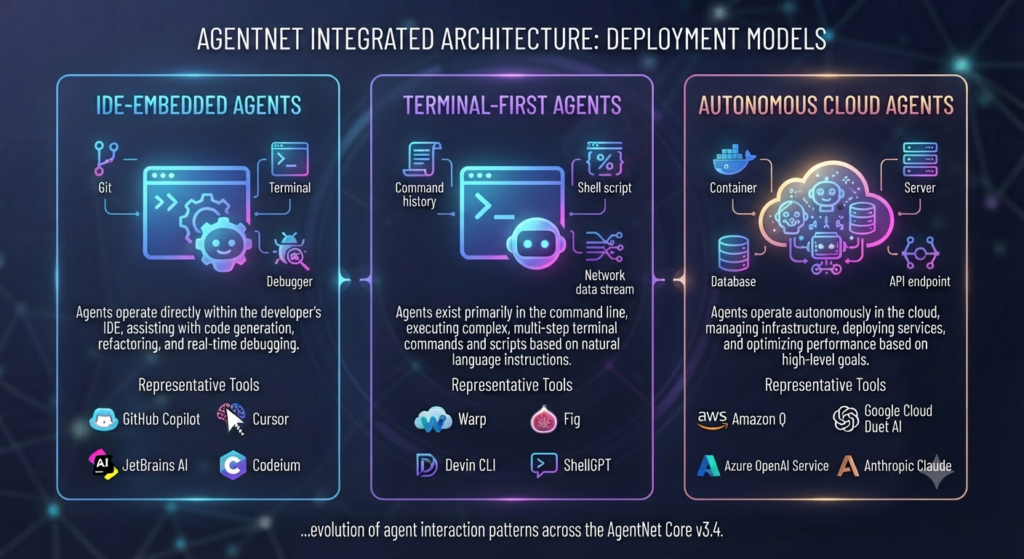
Editor-centered agents such as Cursor keep coding, repository search, planning, terminal execution and review close to the IDE experience. Cursor’s current documentation describes its Agent as able to understand a codebase, plan and build features, fix bugs, edit files and run terminal commands.
Agentic development environments such as OpenAI Codex are increasingly designed around parallel agents rather than one chat panel. OpenAI’s current Codex product supports app, CLI, IDE and cloud workflows, multi-agent work, Skills and longer-running software-engineering tasks.
Terminal-first and flexible agents such as Claude Code and Cline appeal to developers who want direct control over the coding loop. Claude Code is Anthropic’s agentic coding product, while Cline emphasizes an open-source, provider-flexible approach with Plan and Act workflows.
Autonomous cloud agents such as Devin are built for delegated work. Devin’s documentation separates Ask mode for understanding and planning from Agent mode, which can write code, run commands, browse, test, debug and create pull requests.
Best AI Coding Agents by Workflow
| Workflow | Agent to Consider | Why |
|---|---|---|
| AI-native editor and local/cloud handoff | Cursor | Integrated editor, Agent, codebase tools, terminal execution and cloud agents |
| Parallel multi-agent software work | OpenAI Codex | App, CLI, IDE and cloud workflows with multi-agent orchestration |
| Anthropic-centered agentic coding | Claude Code | Strong fit for developers already using Claude models and terminal-oriented workflows |
| Open-source and provider flexibility | Cline | Open-source core, multiple model-provider options, Plan/Act and MCP support |
| Delegated end-to-end cloud work | Devin | Ask-to-plan and Agent-to-execute workflow, including tests and pull requests |
| Windsurf successor and agent management | Devin Desktop | Cognition’s next generation of Windsurf with Agent Command Center, Spaces and ACP support |
Why We Removed the Old Benchmark Leaderboard
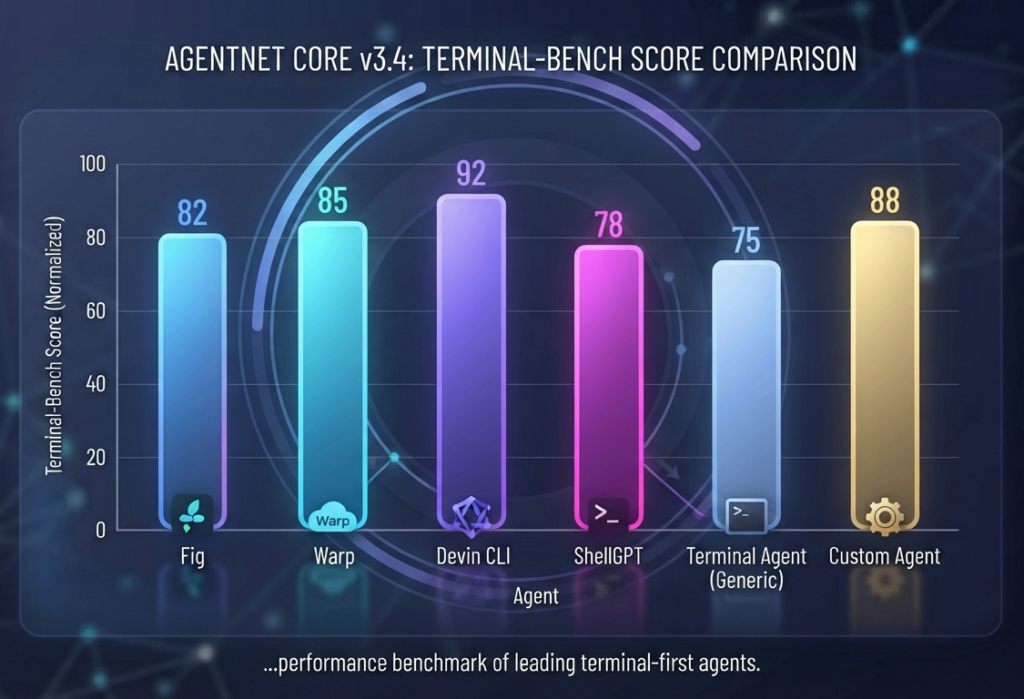
Agent benchmarks are snapshots of a specific model, harness, prompt policy and date. This page previously quoted exact scores for older combinations such as GPT-5.5, Claude Opus 4.8 and Gemini 3.1 Pro. Those figures are no longer suitable as a current ranking now that GPT-5.6, Claude Opus 5 and Gemini 3.7 Flash are available.
For a serious buying decision, test agents on your own repositories. Track accepted task completion, regressions, review time, test pass rate, latency and total cost per accepted change. A public leaderboard can be a useful signal, but it should not substitute for repository-level evaluation.
Human Review Still Matters
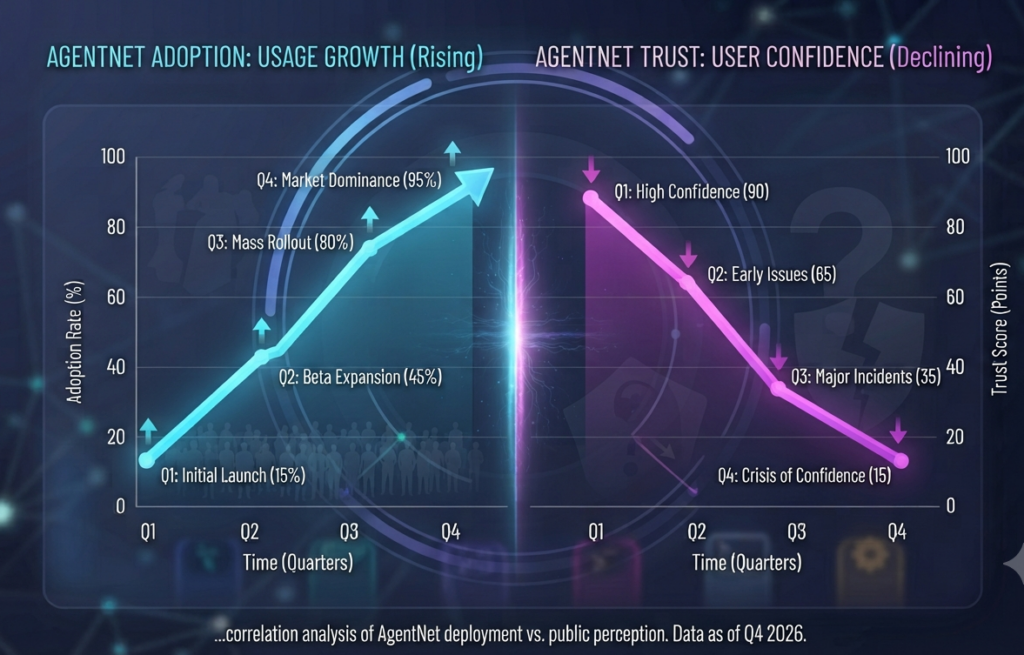
More autonomy increases the importance of review rather than eliminating it. Agents can edit many files, execute commands, create pull requests and run tests, but they can still misunderstand requirements or produce technically valid changes that are wrong for the product. Use branch protection, tests, least-privilege credentials and human review for production changes.
Which Coding Agent Should You Choose?
- Choose Cursor if you want an AI-native editor with local and cloud agent workflows.
- Choose Codex if you want OpenAI’s multi-agent software-development environment across app, CLI, IDE and cloud.
- Choose Claude Code if you prefer Anthropic’s agentic coding workflow and Claude model ecosystem.
- Choose Cline if open source, model-provider flexibility, BYOK/local options and MCP matter to you.
- Choose Devin if you want to delegate scoped tasks to an autonomous cloud agent and review the output.
- Choose Devin Desktop if you are evaluating the current successor to Windsurf and want local/cloud agent management in one desktop environment.
Many teams will sensibly use more than one agent. The important decision is not loyalty to a brand; it is matching the agent’s execution model, permissions and review workflow to the task.
FAQ
Is an AI coding agent the same as autocomplete? No. Autocomplete predicts code as you type. An agent can inspect a repository, plan changes, edit files, run commands and tests, and in some products create or update pull requests.
Which coding agent is number one on benchmarks? There is no durable answer. Agent scores change when the underlying model, harness and evaluation version change. Test current versions on your own repository before standardizing.
Do I still need to review AI-generated code? Yes. Tests and agent self-review help, but production code should still pass your normal engineering review and security controls.
Related Vynula Guides
- Claude Code Explained
- Cursor AI Explained
- Cline AI Explained
- Windsurf / Devin Desktop Explained
- Best AI Models for Coding